
In my last post on differentiation, we explored practical strategies for differentiating content, process, product, and learning environment. In this post, we’ll look at how AI can make that work faster, more sustainable, and more personalized.
If you’re feeling overwhelmed by the idea of differentiating for every student, AI can help turn what feels impossible into something manageable. We’ll explore how AI can support differentiation across four areas—content, process, product, and learning environment—without adding hours to your workload.
Content Differentiation
Differentiating content ensures that all students can access the same essential ideas, regardless of their reading level or learning preferences. But creating multiple versions of materials from scratch can feel daunting. This is where AI can save time and increase access without sacrificing quality.
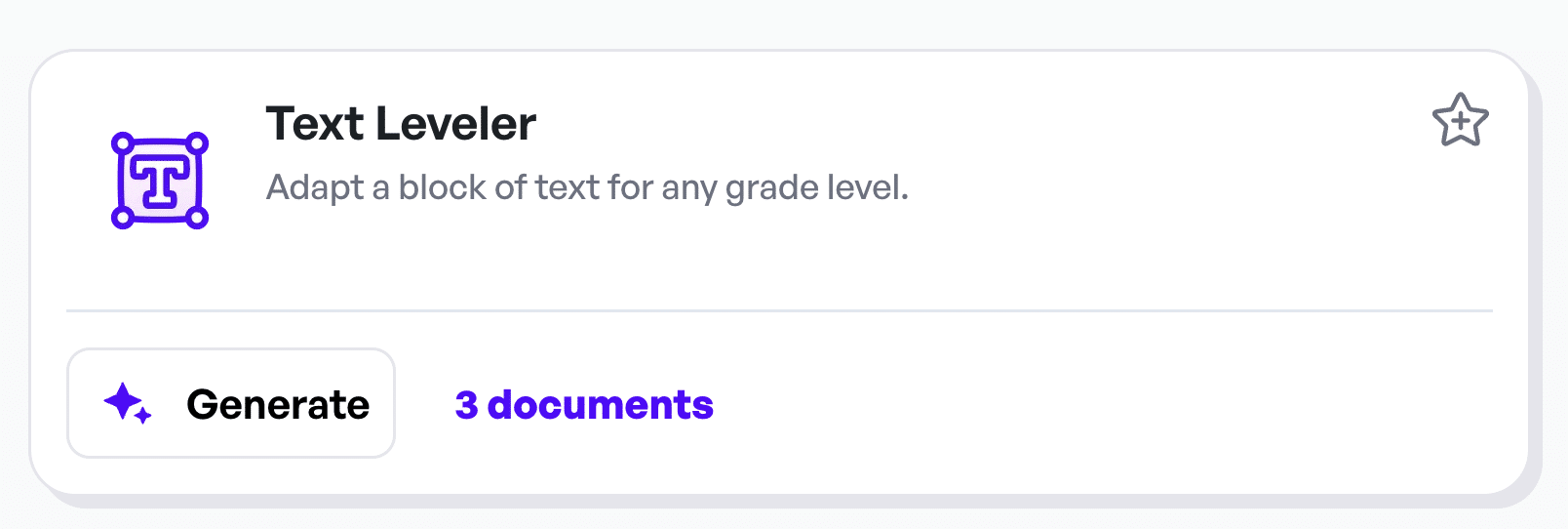
Create Leveled Texts
Take your original, grade-level text and create versions at the reading levels your students need using an education-focused AI tool like SchoolAI. This allows every learner to access the same concepts and participate meaningfully in discussions and collaborative work.
Present Content in Multiple Formats
There are myriad AI tools that can take content you already have and change the delivery. Earlier this year, I was completely blown away when my daughter showed me how she had used NotebookLM to turn her AP Biology notes into an original podcast. I immediately thought of how useful this would be in the classroom, removing barriers by allowing teachers to provide multiple pathways into the content: taking a grade-level text (maybe even generating leveled texts first) and creating a podcast for students who prefer auditory learning or may struggle to access information presented in a text.
Pro tip: Once you’ve created multiple versions (e.g., a leveled text, a podcast, or a visual summary), invite students to choose which one to engage with using a “Would You Rather” strategy to prioritize meaningful choice. This gives students ownership over how they access information while keeping your planning efficient.
Change Your Lesson Structure
Differentiating instruction often means designing flexible lesson structures. The station rotation model is a simple way to build that flexibility into your daily routine.
In my station rotation workshops, many teachers share that they struggle to translate traditional lessons into a station rotation, where the design is circular and rotates students through a series of learning activities. My suggestion: take a vertical lesson (one that unfolds sequentially) and think horizontally instead by breaking it into parts that can happen in parallel across stations. Direct instruction can move to the teacher-led station, while practice, collaboration, and reflection can happen at independent stations.
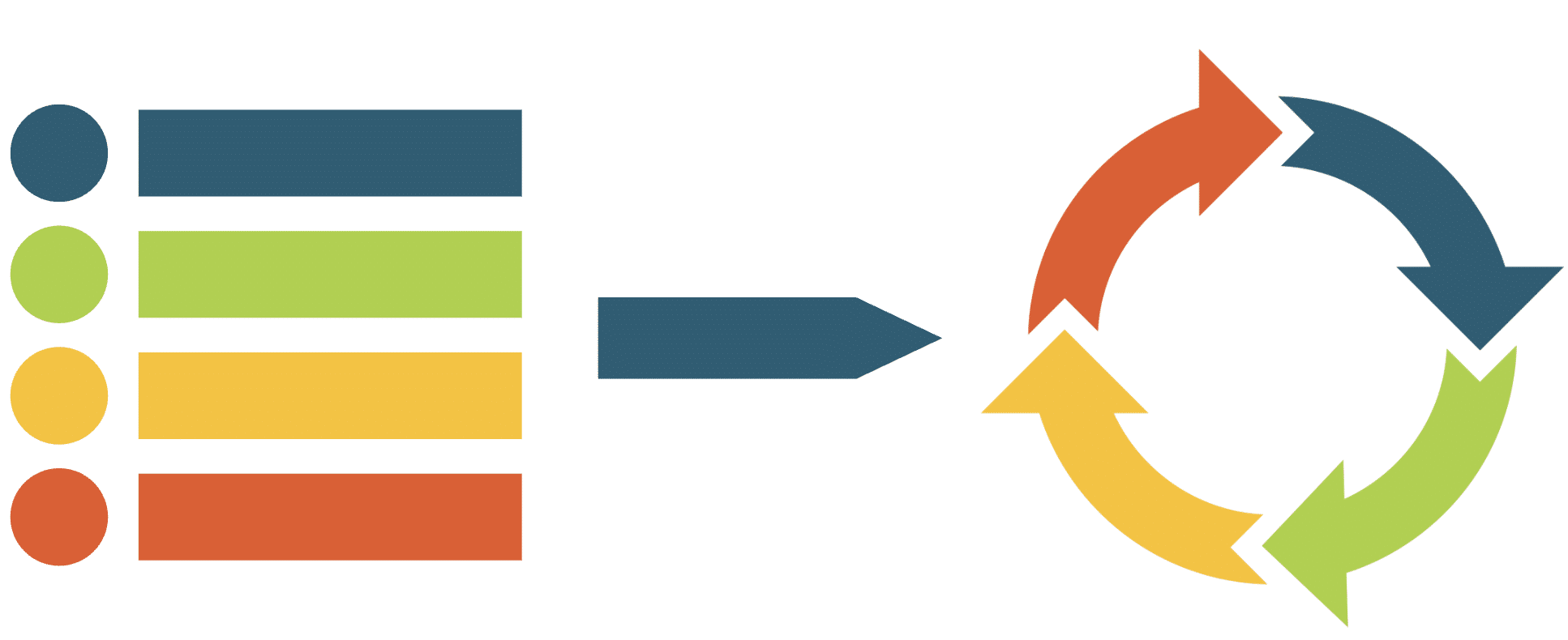
Once you’ve identified the key lesson components, a generative AI chatbot, like ChatGPT or Claude, can help you adapt and organize them efficiently. With thoughtful, detailed prompt engineering using the REFINE model, you can take a preexisting vertical lesson plan and turn it horizontal.
REFINE Prompt You Can Use with an AI Chatbot: You are an instructional coach specializing in blended learning and UDL. Help me redesign my whole-group lesson into a station rotation that balances teacher-led, collaborative, and independent learning. Use the agenda for [grade level and subject area] I provided to identify natural breaks, suggest three to four purposeful stations, and recommend grouping, pacing, and formative assessment strategies. Present the redesign in a table with columns for Station Name, Focus, Task, and Materials. Ensure each station includes supports for multilingual learners, UDL principles (multiple means of engagement, representation, and expression), and differentiation strategies. Briefly explain your design choices and end with three reflection prompts I can use to evaluate and refine the station design after implementation.
Process Differentiation
Students process information in different ways. Providing multiple pathways for meaning-making helps all learners access and internalize new ideas, but generating these supports can be time-consuming. AI tools can help by producing scaffolds, graphic organizers, and discussion structures that you can adapt for your classroom.
Mind Maps, Graphic Organizers, and More
Tools like Canva and FigJam now include built-in AI features that can create or modify graphic organizers and concept maps in minutes. Similarly, NotebookLM can generate a mind map directly from a document or lesson plan, as shown in the image below. This is perfect for teachers who want quick, visually organized scaffolds without starting from scratch.
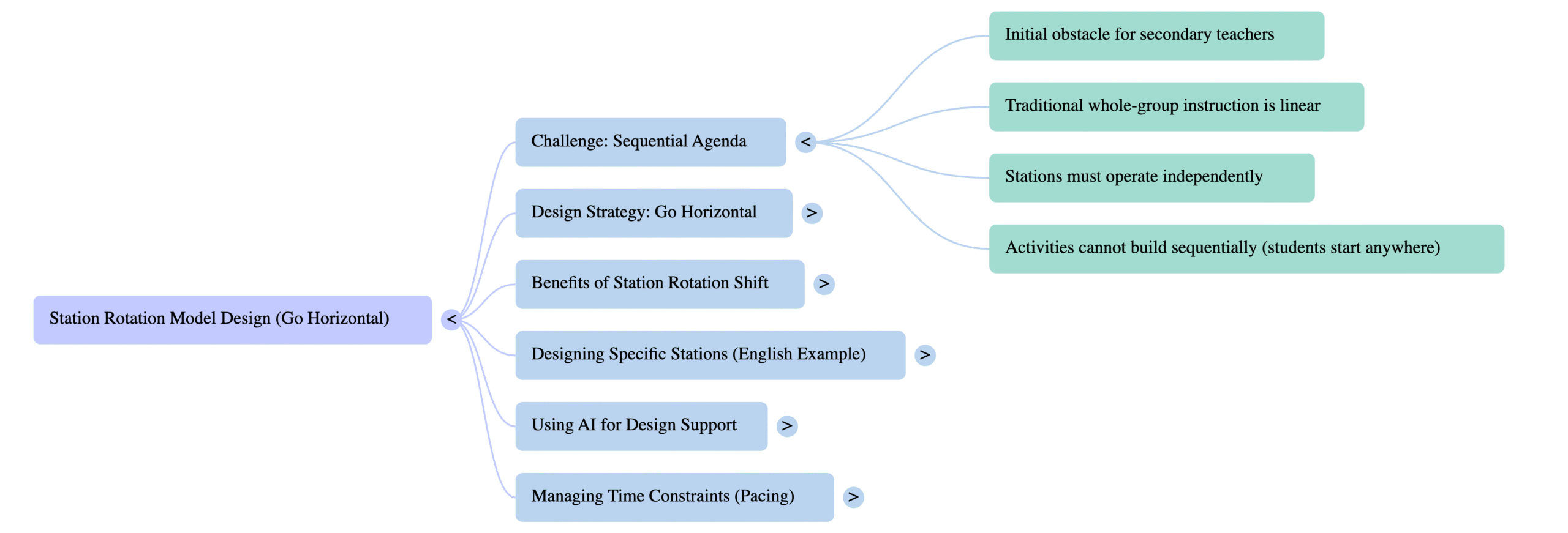
You can download the concept map, customize it in a design tool, and offer multiple organizer types for different learning preferences.
More Ideas to Try
Adjust the Rigor: Use MagicSchool AI to generate discussion questions at all four depths of knowledge (DOK) levels so that students can participate at the level of rigor appropriate to their zone of proximal development. You can even provide choice in how students interact with the questions: in-class discussion, written reflection, online discussion, etc.
Add a New Perspective: Upload an audio file, video, or document of your own modeled thinking to an AI tool and ask it to suggest alternative approaches. This helps you model varied cognitive strategies during instruction.
Product Differentiation
Choice in how students demonstrate their learning increases motivation and provides a clearer, more authentic picture of what they know. AI can help teachers generate product options and streamline assessment design without sacrificing alignment to standards.
Choice Boards
Choice boards are one of my favorite tools for product differentiation, but creating them can be time-intensive. By using an AI tool as a co-creator, you can lighten the load while still offering students plenty of options. MagicSchool AI has a choice board generator that is a great starting point. Or, if you already have one project created, upload it to your preferred generative AI tool and ask for other types of projects that would assess the same skills and standards.

Asset-Based Rubrics
Using one standards-aligned, asset-based rubric across all product types ensures equity and consistency in assessment. A generative AI tool can act as your revision partner to make changes to a rubric you already have, or it can create one for you that you can edit to fit your needs.
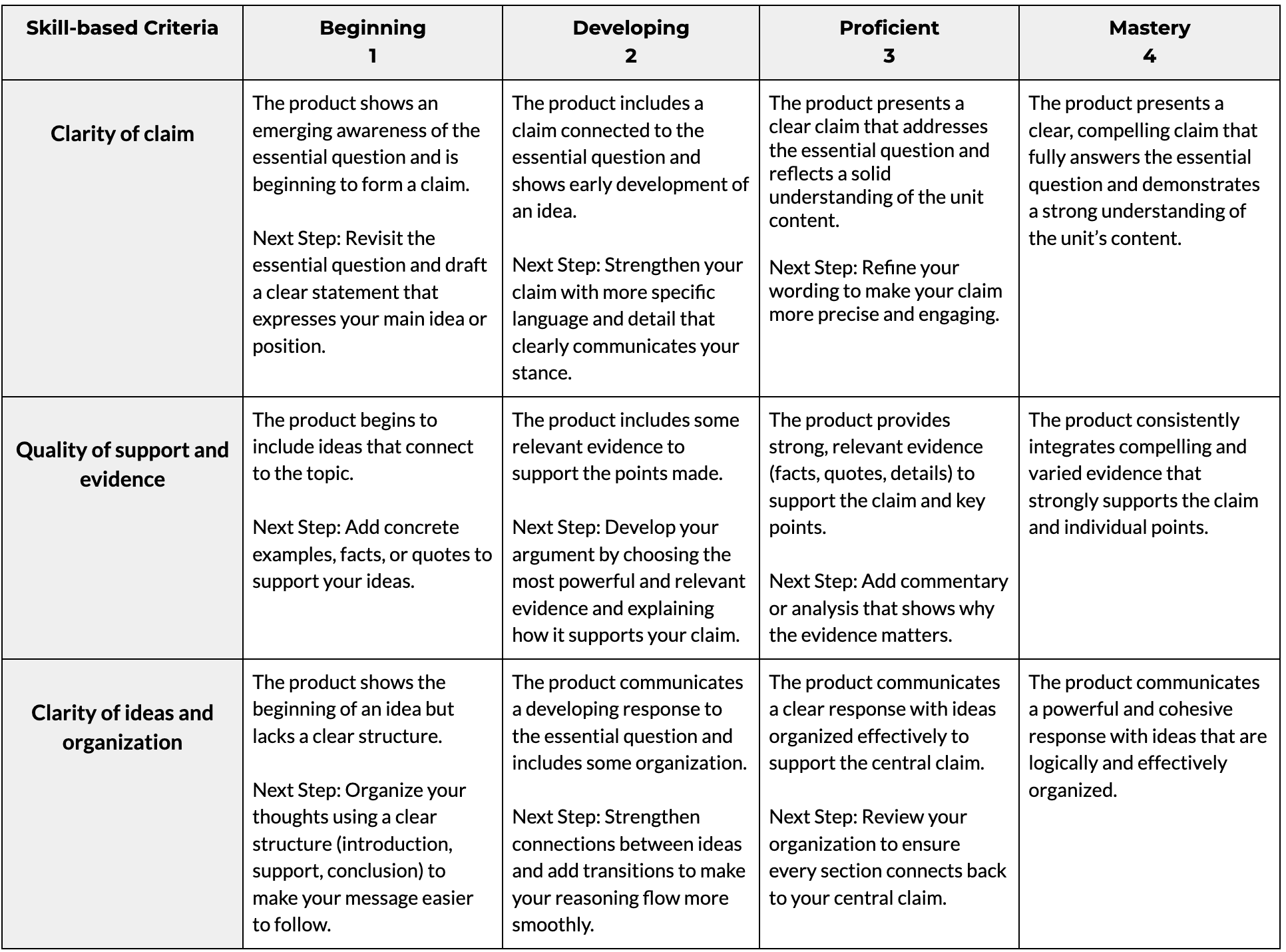
REFINE Prompt You Can Use with an AI Chatbot: You are an instructional coach who specializes in asset-based assessment and feedback. Help me rewrite this rubric to highlight what students can do at each level of proficiency and to provide clear next steps for growth, rather than focusing on what’s missing. Use the rubric I provide to rephrase deficit-oriented language into strengths-based, growth-oriented descriptions. Ensure the language is specific, encouraging, and developmentally appropriate, avoiding negative or judgmental phrasing. Apply UDL principles by using inclusive language that values multiple ways of showing understanding. Briefly explain your approach and how it shifts the focus from evaluation to growth.
Learning Environment Differentiation
The learning environment, both physical and digital, shapes how students engage. While AI can’t rearrange your classroom furniture, it can help you plan flexible learning spaces and create adaptive online experiences.
Create an Online Learning Environment
Platforms like SchoolAI Spaces allow teachers to design dynamic online environments that adapt to student needs and pacing. You can create customized Spaces or select from a curated library of ready-to-use learning activities. For balance, you can offer parallel offline options so students can choose between digital and hands-on learning experiences.
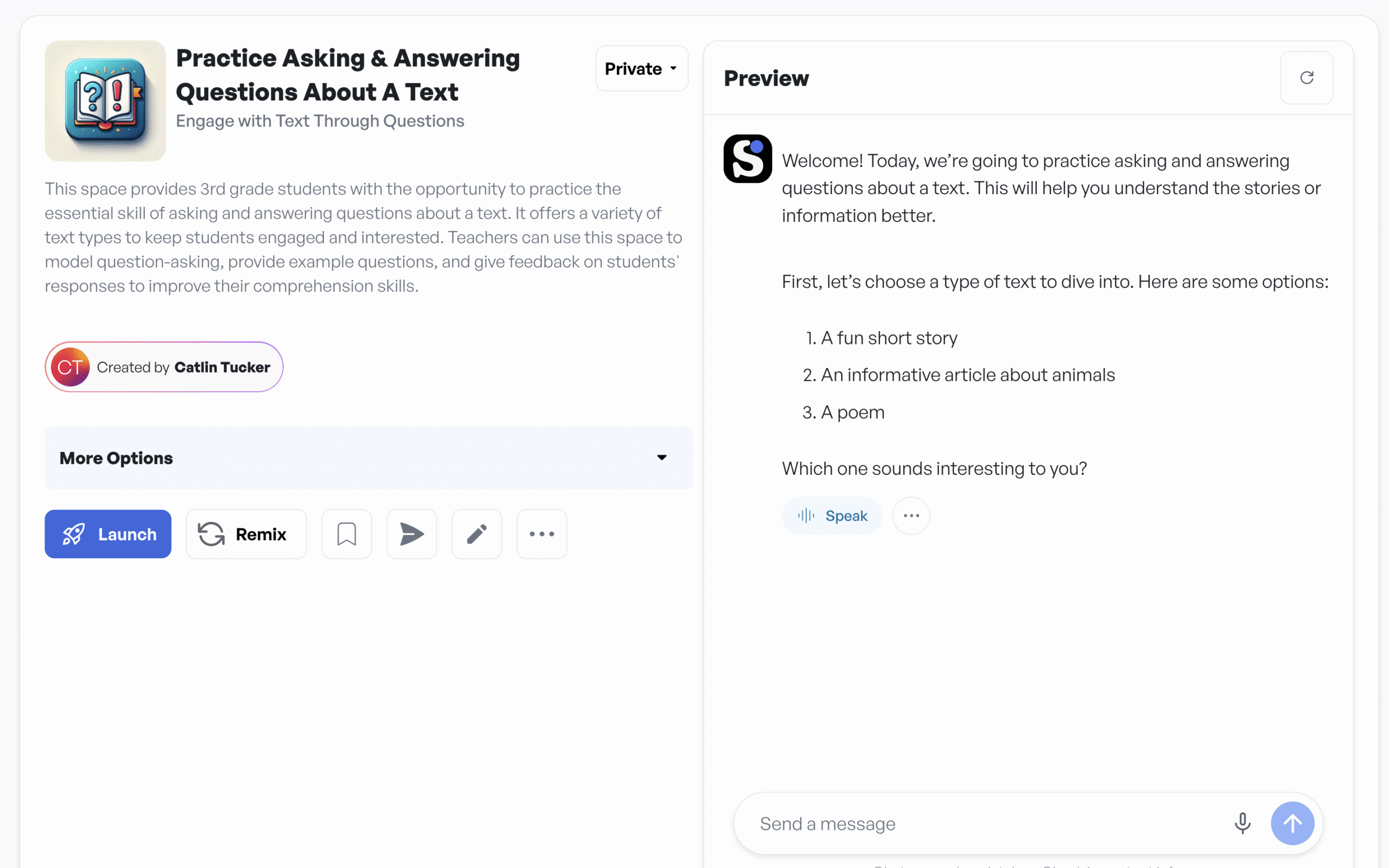
Spaces adapt and personalize the experience for each student’s unique needs, giving students control over the learning experience and pace.
Making Differentiation Sustainable with AI
Differentiation and AI share a common purpose: expanding access to learning. When used thoughtfully, AI enhances, not replaces, teacher expertise. It can streamline the creation of materials, scaffolds, and structures that make high-quality differentiation possible for more students, more often.
By integrating AI into your planning and design process, you can spend less time on repetitive preparation and more time engaging with students. The result is both greater efficiency for teachers and greater equity for learners, where every student encounters content, processes, and products that meet them where they are and move them forward.
No responses yet