Most educators I work with genuinely believe in the values at the heart of Universal Design for Learning (UDL). Teachers want learning experiences to be accessible, inclusive, and equitable. They want to create classroom environments where students feel like they belong, enjoy agency, and are supported in reaching rigorous learning goals. They recognize that learner variability is the norm, not the exception. Yet despite their belief in the value of UDL, they do not always feel confident about what it looks like in practice or how to apply it when designing instruction.
I’ve worked with many schools that have invested heavily in UDL. The teachers attend professional learning, explore the guidelines, and leave inspired. Then they sit down to plan a lesson and wonder how those principles should influence their instructional decisions.
For many educators, UDL implementation becomes synonymous with offering students choices. They may provide a choice board that allows students to decide how they practice a skill, reflect on a lesson, or demonstrate their learning. These are strong examples of using choice to create more flexible pathways, but they happen after teachers introduce content. Many teachers think about UDL as something they add to a lesson after they’ve designed it. I’ve been wondering what happens when we treat UDL as the process we use to design the lesson in the first place.
Designing for Deep Engagement and Growth
In her most recent book, The UDL Shift, Dr. Katie Novak says, “UDL isn’t just about choices. It’s about actively designing with the belief that all students can engage deeply, think critically, and grow when we create an environment that supports them in doing so.” That quote has stuck with me because it shifts the conversation from what students do after instruction to how we design instruction in the first place.
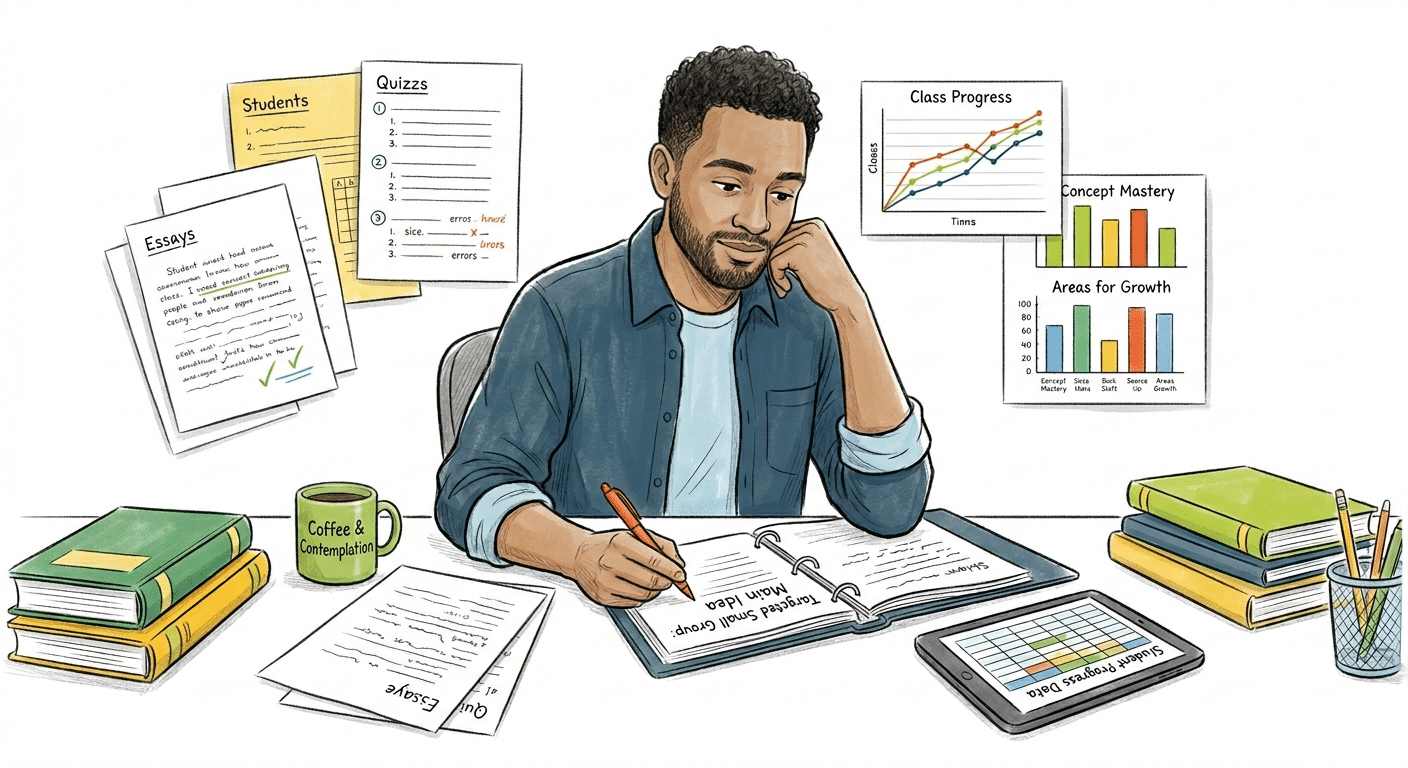
When I work with educators to universally design learning, the first question I encourage them to ask is “What barriers might make it difficult for students to access or navigate this learning experience?” When we begin by proactively identifying barriers, it helps to shift our thinking from reacting after students struggle to proactively architecting learning experiences that remove predictable barriers before they become obstacles.
If our goal is to create learning environments where all students engage deeply, think critically, and grow, then we have to think differently about whole-group instruction. Instead of designing around what the teacher plans to say, we need to design it around how students learn. We need to intentionally create opportunities to engage with new ideas, process information, collaborate with peers, and make meaning during instruction.
The Goal of UDL Is Learner Agency
One of the most significant shifts in the updated UDL Guidelines from CAST is the emphasis on learner agency as the ultimate goal of this work. Learner agency is about helping students become:
- Purposeful: Develop confidence in their ability to perform tasks and successfully achieve their learning goals.
- Reflective: Develop self-awareness and metacognitive skills; recognize how personal and external factors influence their learning.
- Resourceful: Identify and utilize their strengths and resources, including their cultural and linguistic backgrounds, to enhance their learning experiences.
- Authentic: Seek to comprehend and understand concepts in genuine, meaningful ways.
- Strategic: Set clear goals, track their progress, and plan their learning activities intentionally.
- Action-Oriented: Take initiative in their learning, both individually and collaboratively (CAST, 2024).
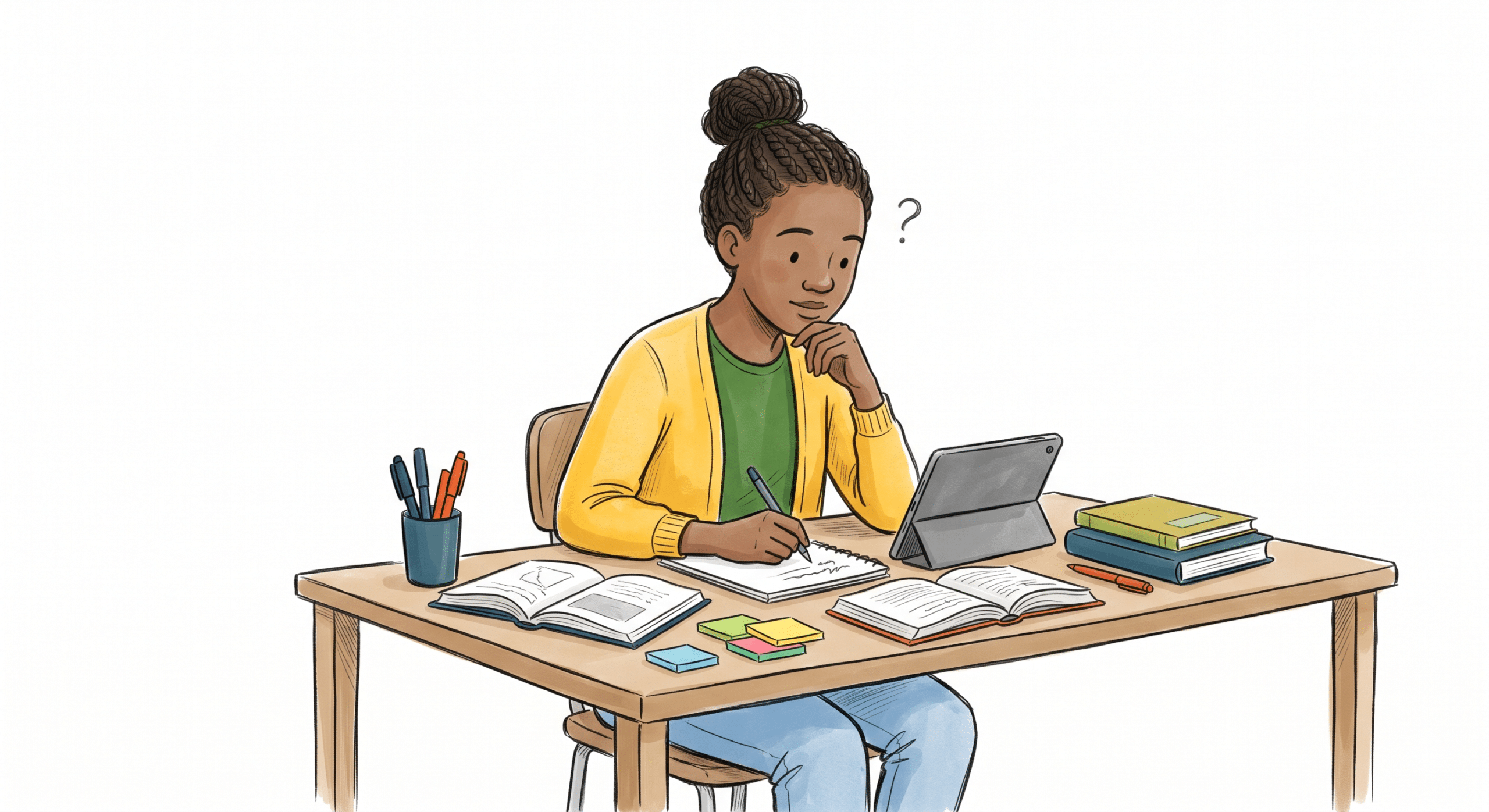
With this emphasis on agency, the focus becomes supporting students as they develop the knowledge, skills, and confidence they need to make informed decisions, monitor their progress, communicate their needs, and navigate challenges with increasing independence. That level of growth doesn’t result from a single choice at the end of a lesson. It must be developed over time through intentionally designed lessons that position students at the center of the learning experience. It means shifting them from passive receivers of information to active agents in the learning process. So, if learner agency is the goal, how can we design instruction to help them get there?
Whole-Group Instruction Through the Lens of the Three Brain Networks
The UDL Guidelines are grounded in three brain networks that influence learning and align with the core principles of UDL.
- The Affective Network
- The Recognition Network
- The Strategic Network
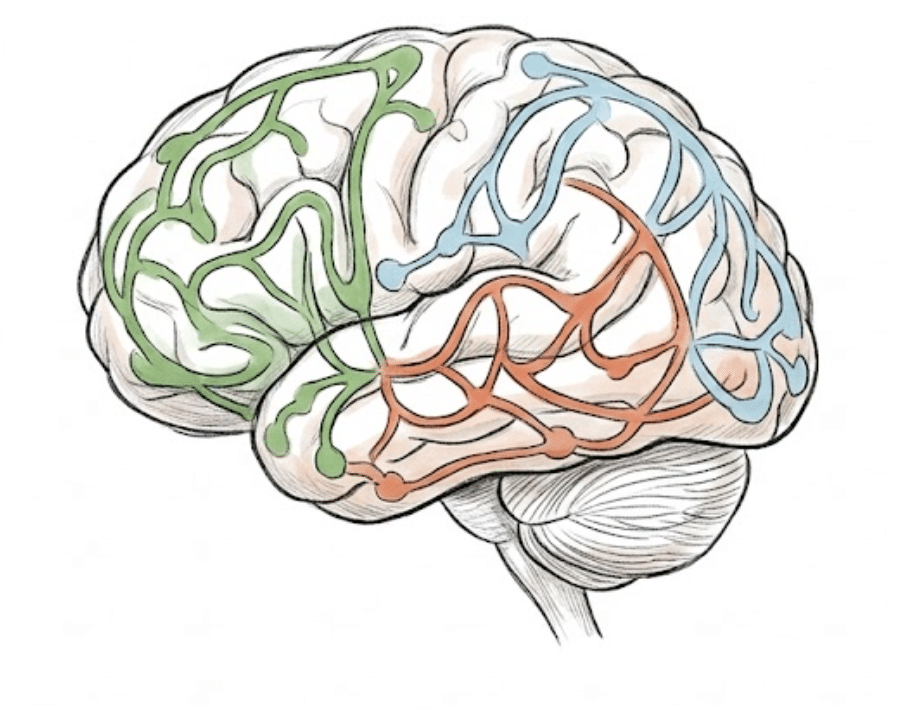
If we think about a traditional whole-group lesson, it’s easy to see why these networks matter. In many classrooms, the teacher presents information for fifteen to twenty minutes, pausing occasionally to ask a question that one student answers before continuing instruction. Only after the explanation is completed are students asked to discuss, analyze, or apply what they have learned. There’s nothing wrong with that instructional pattern, but it does mean much of the cognitive work happens after the teaching is over. Students who struggle to make sense of the information are often expected to apply learning before they’ve had enough time or support to develop a strong understanding of the content. UDL challenges us to weave engagement, meaning-making, and active processing into the instructional experience itself.
Each network raises a different design question for teachers as they think about instruction: How will I engage my students? How will I help them make meaning? How will I create opportunities for them to think, communicate, and develop agency?
The Affective Network: Why Learning Matters
The affective network is connected to multiple means of engagement and shapes our motivation, interest, persistence, and emotional investment in learning. Before students can learn deeply, they need a reason to engage. Too often, lessons are something delivered to students. They receive answers to questions they did not ask and solutions to problems they have never encountered. Over time, I worry that students learn their role is to receive, not to think. UDL reminds us to design instruction to optimize engagement by inviting students into the process, helping establish relevance, and fostering collaboration, interdependence, and collective learning.
Learner variability also means students are motivated by different things. Some are naturally curious, while others need relevance, challenge, or opportunities to collaborate. Designing for the affective network means inviting students to participate in the lesson as contributors and collaborators, not just recipients.
💡 Implementation Tip: Before introducing a new concept, ask yourself, “Why should my students care about this?” Design a hook that sparks curiosity, connects to students’ experiences, or presents a real-world problem worth solving.
The Recognition Network: Making Meaning & Building Understanding
The recognition network aligns with multiple means of representation, which are how students acquire and begin to make sense of new information. Because students have a range of lived experiences, background knowledge, language proficiencies, and processing speeds, one explanation is unlikely to work well for everyone.
When educators hear the phrase “multiple means of representation,” they may think about providing text, visuals, diagrams, videos, or audio recordings. Those are powerful pathways into the content. But representation also means reducing the barriers that make new learning difficult to process. Are we presenting too much information at one time? Can they hear concepts explained in more than one way? Do students have the necessary scaffolds to capture and cognitively engage with important ideas?
💡 Implementation Tip: Ask yourself, “Can students make sense of this information in more than one way?” Pair your explanation with another representation, such as a diagram, infographic, image, worked example, short video, or think-aloud. Multiple representations provide students with additional pathways for building understanding without changing the learning goal. NotebookLM makes creating multimedia resources quick and easy!
The Strategic Network: Developing Learner Agency
The strategic network aligns with multiple means of action and expression and supports planning, organization, communicating ideas, monitoring progress, solving problems, and reflecting on learning. This is where learner agency is most visible. Students develop agency when they are asked to explain their thinking, justify decisions, evaluate ideas, and stretch their metacognitive muscles. While some students do these things quite naturally, others will need explicit instruction and scaffolds. Designing for the strategic network requires building these opportunities into the instruction itself, not reserving them for the end of a lesson or unit.
Although we have explored each of the three networks separately, they work in concert when students are learning. They need a reason to engage, support for making sense of new information, and opportunities to actively process information, communicate their ideas, and refine their thinking. So when I think about the classic whole-group, teacher-led lesson that centers on direct instruction, it makes me think about how we can design to engage these networks and put the principles of UDL into practice.
💡 Implementation Tip: Ask yourself, “How will students monitor and make sense of their own learning?” Build in opportunities for students to pause, organize their thinking, explain their reasoning, and assess their understanding. Those moments of reflection help students identify what they understand, where they are confused, and what support they may need before moving into collaborative conversations or independent practice. Offer flexible ways for students to organize and communicate their thinking, such as traditional notes, guided notes, sketchnotes, graphic organizers, or sentence stems, to support learner variability while helping students become more strategic and self-directed learners.
What might it look like to intentionally design a whole-group lesson that activates all three networks?
A UDL-Informed Design Process for Whole-Group Instruction
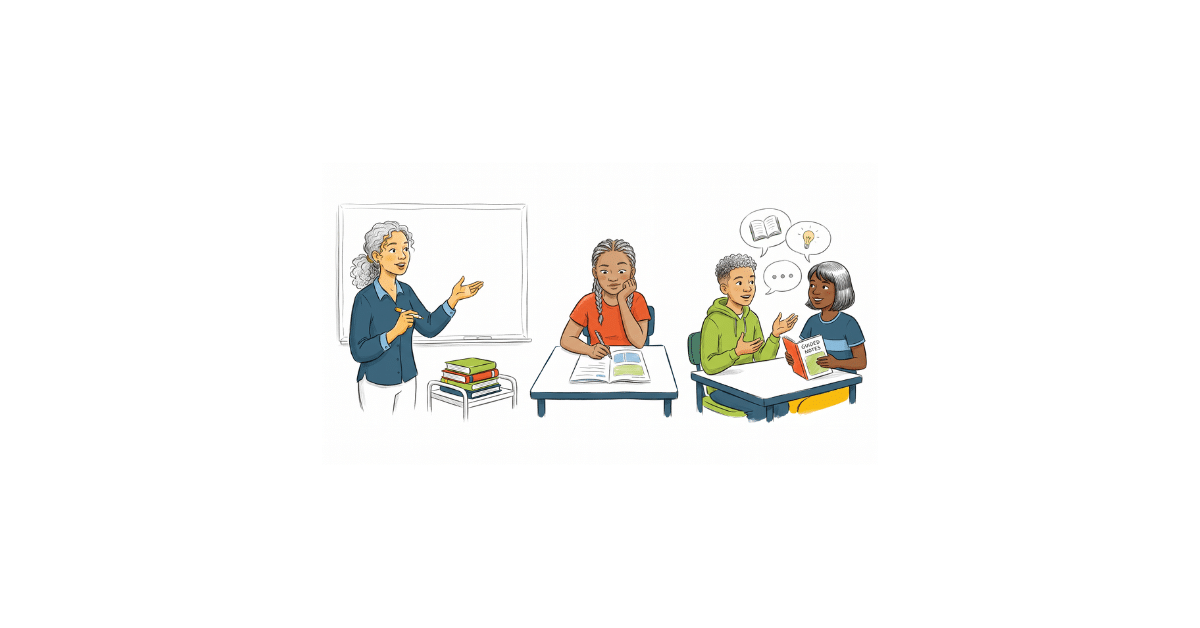
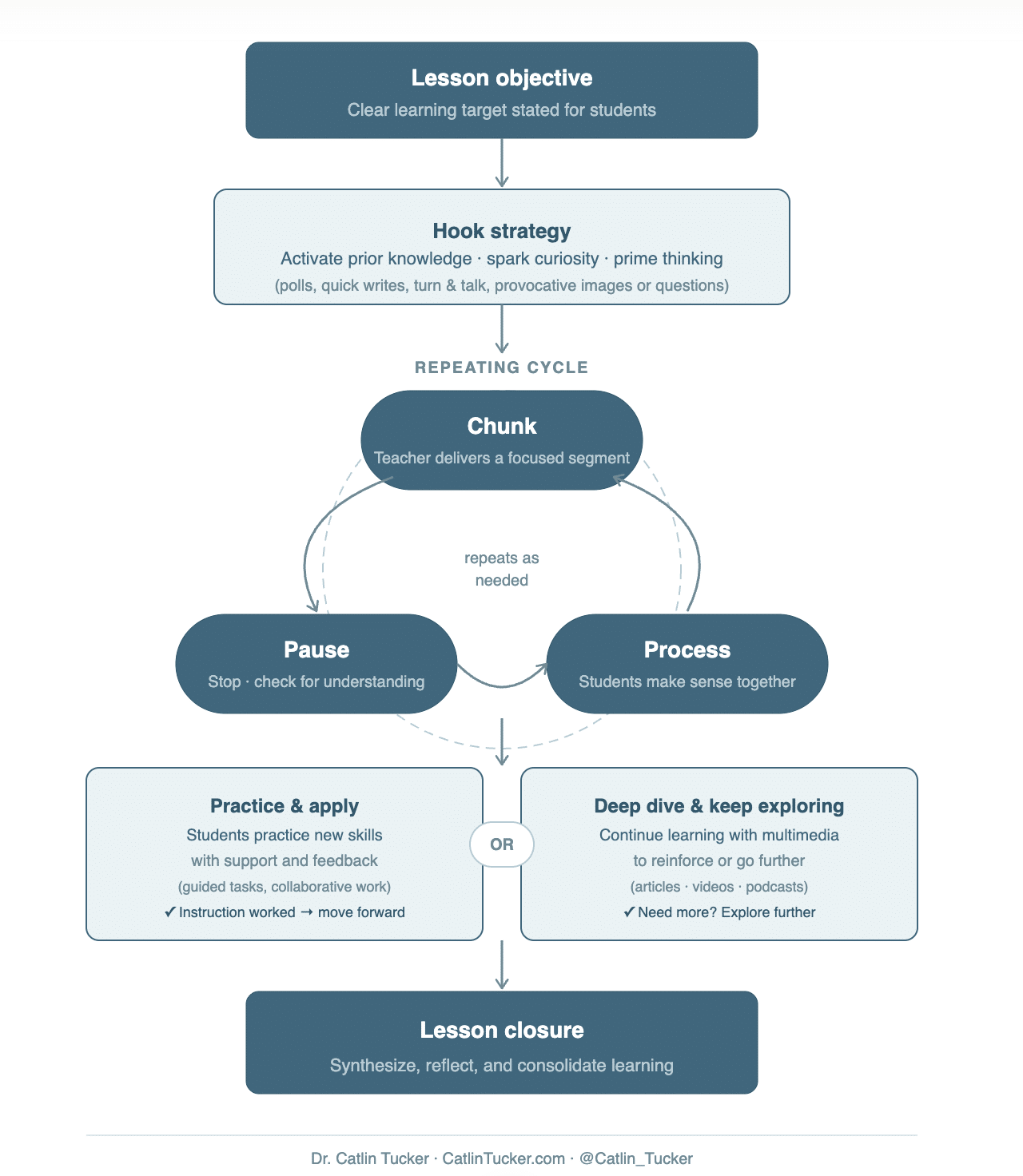
When I work with teachers to universally design whole-group instruction, I encourage them to do four specific things. First, use a hook strategy to pique students’ interests and give them a concrete reason to engage. Next, take the existing mini-lesson or lecture and chunk the instruction into five-minute (or less) segments. Finally, decide on a strategy to support processing during the pauses between instructional segments or chunks. Essentially, the instruction moves through a Chunk — Pause — Process cycle designed to avoid cognitive overload and to support students in moving new information from working memory to long-term memory.
The hook primarily activates the affective network, while chunking supports the recognition network. The pause and process steps work together to activate the strategic network. During the pause, students independently organize and monitor their thinking. During cooperative learning, they communicate, defend, revise, and refine their thinking with others.
Step 1: Start With A Hook
Begin the lesson with a hook designed to activate the affective networks and support multiple means of engagement. The goal is to give students a reason to invest their attention and spark curiosity. Some ideas for effective hooks:
- provocative question
- surprising image
- short video clip
- real-world issue
- common misconception
- unfamiliar problem
The UDL Guidelines encourage us to optimize for relevance, value, and authenticity. A thoughtfully designed hook helps accomplish that. Instead of immediately providing answers, we invite students into a question, problem, or phenomenon that gives the learning purpose.
I encourage teachers to incorporate conversation at this step. Ask students to make a prediction, share an opinion, or brainstorm a possible explanation or solution with a partner or small group. Those interactions also increase engagement, build community, and foster a sense of belonging in the classroom.
Another way to honor learner variability is to provide a meaningful choice of the hook strategy they engage with. Teachers could use a “would you rather” structure to allow students to select between two hook activities aligned to the same learning goal. One option might be to analyze an image or a short video clip and complete a See, Think, Wonder thinking routine. Another option might be to read and discuss a real-world scenario with a partner and make predictions or brainstorm solutions. Both pathways are designed to spark curiosity, activate prior knowledge, and establish relevance. This also gives students autonomy at the very start, which may motivate them to lean into the learning.
Step 2: Chunk New Learning
Once students are engaged, we move into the first instructional chunk. Chunking supports the recognition network. The temptation during whole-group instruction is to explain everything students need to know all at once. But working memory, or the staging area where the brain holds new information before deciding what to do with it, is extremely limited. When we present too much information at once, it is likely to cause cognitive overload.
I encourage teachers to think of each chunk as a single manageable concept, step in a process, or piece of a larger puzzle. I recommend limiting each instructional segment to five minutes or less. This isn’t grounded in research but more of a guardrail to avoid presenting too much new information at one time. Breaking the instruction into smaller segments can create space for processing.
Step 3: Pause for Individual Meaning-Making
This step is critical. After each chunk of content, the pause gives learners time to organize their thinking before they communicate it. Students monitor their understanding, identify questions, capture important ideas in notes, and connect new learning to what they already know. Building intentional pauses into whole-group instruction also honors learner variability. These moments of independent reflection also help students develop greater awareness of themselves as learners, which is key to learner agency. Before hearing classmates’ ideas, they have time to recognize what makes sense, identify lingering questions, and determine what support they need.
This pause can also give students time to add to their notes, capturing their thinking. Too often, all students are expected to take notes the same way. UDL encourages meaningful choices so students can take notes in ways that work for them. Some students may take traditional Cornell Notes, while others might draw sketchnotes or use guided, cloze, or completed notes. The additional supports do not change the goal of learning the content. They provide different levels of scaffolding to help students engage with the information being presented.
Step 4: Support Processing with Cooperative Learning
Once students have organized their thinking independently, cooperative learning provides an opportunity to externalize that thinking. Explaining ideas, justifying claims, evaluating perspectives, and refining understanding with peers are all strategic learning behaviors that strengthen learner agency.
In addition to that benefit, when students explain ideas to one another, they create additional representations of the information. They may use simpler words and phrases to describe or define things, provide different examples or share personal experiences, or make connections that resonate more with their classmates than the teacher’s explanation. This is one reason I think cooperative learning deserves a more prominent place in conversations about multiple means of representation. We often associate representation with media, such as text, images, diagrams, video, or audio. Peer explanations expand representation in another powerful way because every student’s explanation becomes another opportunity for their classmates to make meaning.
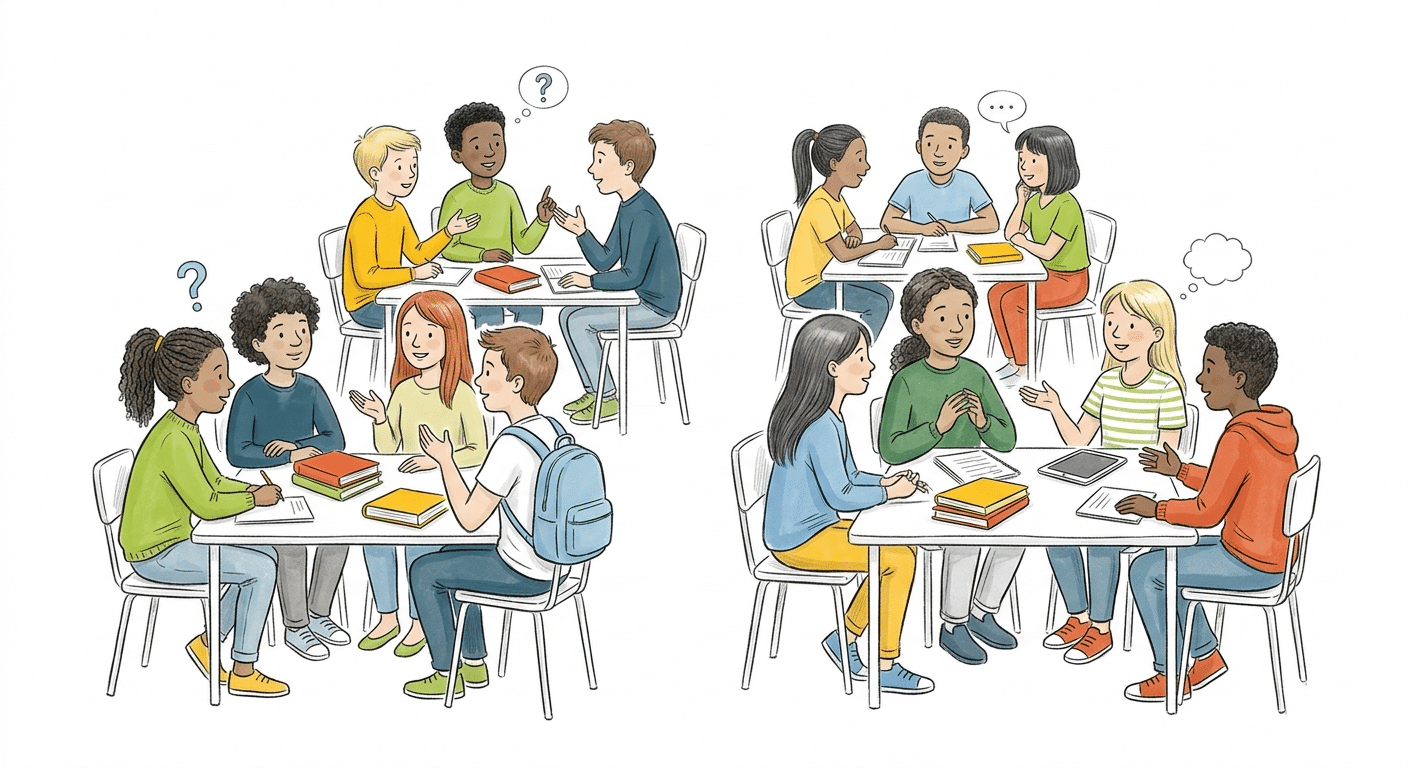
The trick to making these conversations productive is the questions we ask and the cooperative learning strategy we use. First, the quality of the questions is key. I would avoid lower-level questions that simply ask students to recall and reproduce information. These questions tend to have one right answer and do not drive discussion. Instead, I encourage teachers to ask questions that ask students to explain, analyze, justify, and apply. For those familiar with Webb’s Depth of Knowledge (DOK) Framework, I would ask DOK 2-4 level questions.
Honoring Learner Variability with Cooperative Learning
Another way to design for learner variability is to provide two or three discussion prompts that all move students toward the same learning goal but approach it from different angles. Instead of assigning the same prompt to every partnership or team, invite students to select the question they find most interesting, relevant, or approachable. That small amount of autonomy aligns beautifully with the UDL Guidelines by optimizing engagement without changing the rigor or the intended learning outcome.
If teachers worry that students may struggle to engage with one another, they can provide simple sentence stems.
- One similarity I noticed was…
- The evidence that supports my thinking is…
- I agree with the claim because…
- This connects to…
The cooperative learning strategy teachers use also matters. For younger students who are eager to engage, a simple turn-and-talk or think-pair-share may be sufficient to support their engagement. For older students who are more reluctant to participate, a structured Kagan strategy, such as Numbered Heads Together, may be more successful. It has accountability built into the process.
Not only does cooperative learning provide peer-to-peer interaction that can help support meaning-making and comprehension, but it also helps to build relationships and cultivate an inclusive learning community.
Repeat the Cycle Throughout the Instructional Session
Once students have processed the first chunk of instruction together, the Chunk — Pause — Process cycle begins again as the teacher presents the next chunk of content. This process supports students in building understanding one manageable step at a time, rather than waiting until the end of the lesson to engage in meaning-making. The result is a learning experience that is intentionally designed around how students learn.
This design cycle creates a whole-group learning experience that intentionally activates all three UDL brain networks while reducing barriers during instruction. But it’s important to remember that universally designing whole-group instruction doesn’t mean every learner will be ready to move directly into practice or application.
Whole-Group Instruction Is One Pathway, Not the Only Pathway
A universally designed whole-group lesson doesn’t mean every learner will progress at the same pace. For some students, the instruction, pauses for reflection, and cooperative learning conversations provide enough support to build understanding. They are ready to apply what they’ve learned. Others may need another pathway into the content before they are ready to apply what they have learned. That pathway might be an instructional video, an infographic, an article, or a podcast explainer that revisits the concept.
Rather than expecting every student to move through the lesson in the same way, we can design flexible pathways that support understanding while maintaining a shared, rigorous learning goal.
This is one reason I think about Tier 1 instruction through the lens of multiple pathways rather than always relying on the same whole-group lecture or mini-lesson to transfer information. Whole-group instruction doesn’t have to be the only way students access new learning. Instead, it can serve as a common starting point within a broader Tier 1 learning experience. Whole-group instruction paired with a cooperative learning structure, instructional videos paired with meaning-making tasks, and differentiated, small-group, teacher-led instruction are all viable Tier 1 pathways. The goal is to design more flexibly and intentionally so all students can reach the same learning goal.
From Teacher-Led to Learner-Centered Instruction
When educators think about UDL, it is easy to focus on the choices students make after instruction. If we want UDL to transform learning, we also need to redesign the instructional experience itself. Whole-group instruction doesn’t have to be something students simply sit through. When we begin with a meaningful hook, present information in manageable chunks, build in pauses for individual meaning-making, and use cooperative learning to support processing, we create more access points into the content. More importantly, we create regular opportunities for students to engage cognitively with ideas and with each other. They must actively make sense of new concepts, monitor their understanding, communicate their thinking, and learn from one another’s perspectives.
When Tier 1 instruction is designed this way, more students can access, understand, and apply new learning the first time they encounter it. UDL doesn’t eliminate the need for targeted intervention, but it does strengthen the foundation of the MTSS framework. Instead of relying on Tier 2 and Tier 3 to address gaps, we can proactively design Tier 1 to better support learners from the start.
Universally designing instruction does not require that we abandon whole-group instruction. It asks us to rethink its role within a flexible Tier 1 learning experience. Whole-group instruction remains valuable when it provides additional pathways for learners who need another way into the content. UDL demands that we design it more intentionally so every learner has the opportunity to become more purposeful, resourceful, strategic, reflective, authentic, and action-oriented.
No responses yet