Related Podcast
One of the questions I hear most frequently when working with teachers on shifting to student-led learning workflows is: How do we ensure students are actually engaging in equitable, meaningful work when they are learning with and from each other?
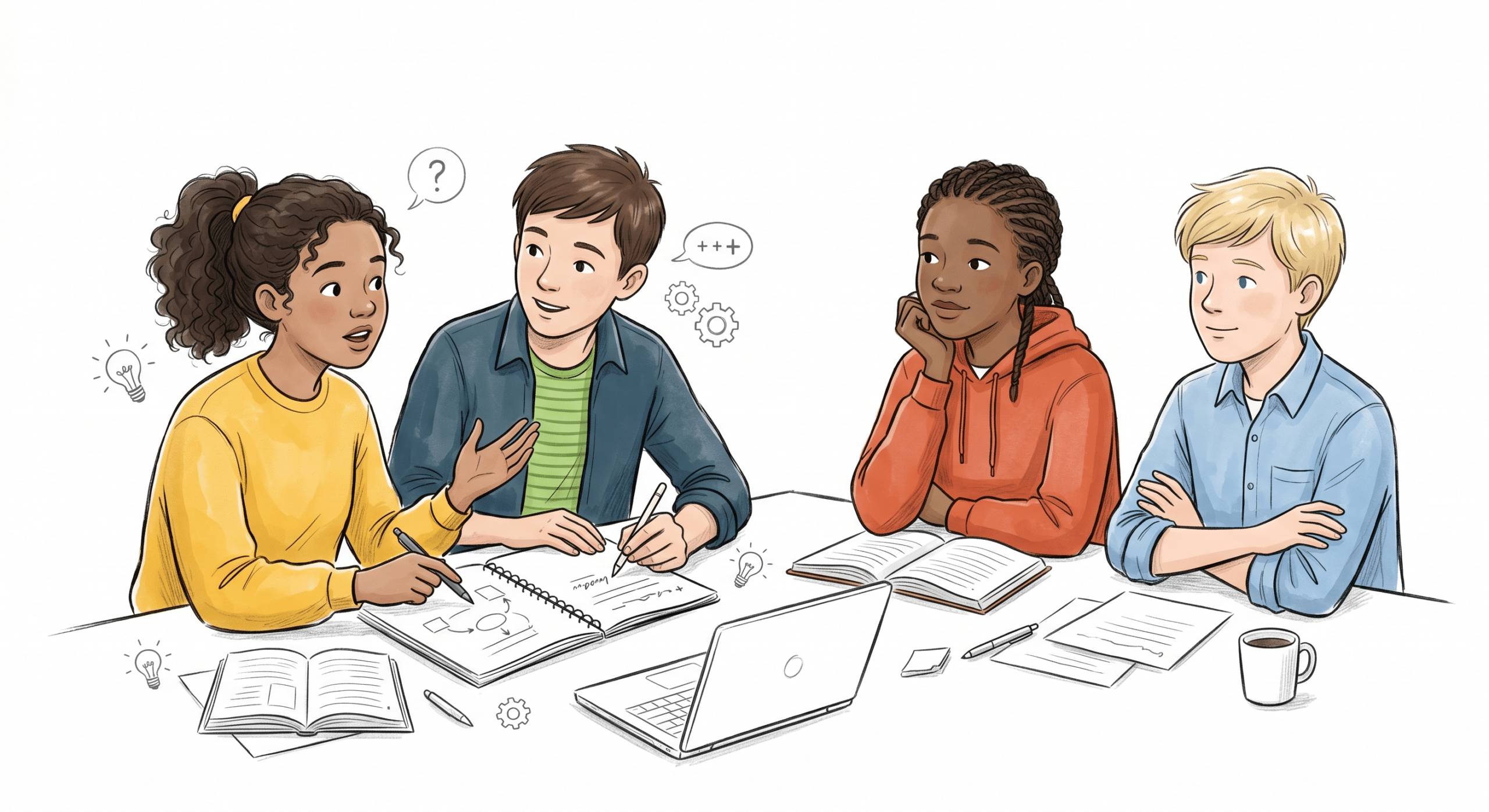
Teachers want students to engage in discussions, collaborate around shared tasks, solve problems together, engage in reciprocal teaching, participate in inquiry, and take more ownership of the learning process. They want classrooms where students actively engage with content and with each other rather than passively consuming information. At the same time, many teachers worry about accountability during collaborative learning experiences.
- What happens when one student carries the group?
- How do we make sure everyone contributes?
- How do we know who is actually participating?
- How do we avoid situations where students feel frustrated by uneven workloads?
These concerns are valid. Most teachers have experienced collaborative learning moments in which participation felt unbalanced, with one or two members of the group doing the heavy lifting while others sat quietly disengaged. It can be frustrating to watch some students carry the cognitive load while others remain passive observers.
As a result, many teachers feel pressure to assign a grade to these collaborative learning moments to create a level of accountability. Unfortunately, grading every discussion, group task, or collaborative interaction creates even more work for teachers and shifts the focus from learning to compliance. This is an example of using grades as carrots to incentivize student participation, when, in reality, we want students to experience the benefits of active, collaborative learning.
Instead of relying on grades in these moments, which creates an unsustainable workload for teachers, I suggest we try another approach. I encourage teachers to create structures that help students reflect on their contributions, understand how their participation impacts others, and develop the communication and collaboration skills necessary to thrive in student-led learning environments.
One strategy I love for addressing this challenge is a classroom 360 feedback protocol. I was inspired to try this after listening to my sister, who works in a large corporation, talk about how her company uses this multi-directional feedback system. I thought it sounded like an interesting idea for classrooms that prioritize collaborative and cooperative learning structures.
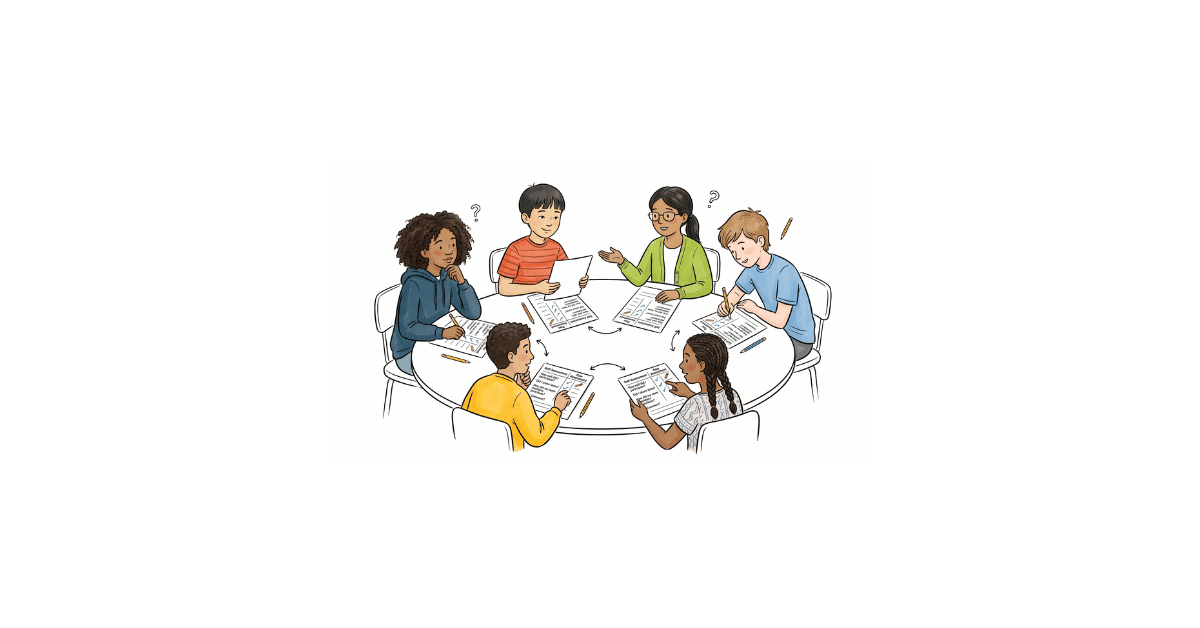
A classroom 360 feedback process asks students to reflect on both their own contributions and the contributions of their peers after collaborative learning experiences. The goal is reflection, accountability, communication, and growth.
WHY Teachers Need More Accountability Structures for Collaborative Learning
Collaboration is a skill set. Students are not automatically effective collaborators simply because we place them in groups. Effective collaboration requires clear communication, active listening, mental engagement, self-regulation skills, and the ability to navigate disagreements or points of view. These skills develop over time through intentional modeling, practice, feedback, and reflection.
Unfortunately, many collaborative learning experiences lack the structures necessary to support that growth. Teachers may assign group work or facilitate discussions without providing students with clarity about what meaningful participation actually looks like. Students often receive feedback on the final product but very little feedback on the collaborative process itself. As a result, students may disengage, dominate conversations, contribute unevenly, or leave collaborative experiences frustrated and resentful. I would argue this matters even more in an AI-driven world, where the skills that remain uniquely valuable are deeply human.
If we want students to develop those capacities, we need to create more opportunities for them to engage in meaningful collaborative work. We also need structures that increase accountability and reflection without creating more unsustainable grading practices for teachers. A 360 feedback protocol helps accomplish both goals.
HOW a Classroom 360 Feedback Protocol Works
The process itself is intentionally simple. The goal is to create a brief, structured reflection process that students complete after collaborative learning experiences. This protocol can be used after:
- Reciprocal teaching
- Small group, student-led discussions
- Collaborative problem-solving
- Inquiry activities
- Project-based learning
- Peer review
- Station rotation activities
- Any cooperative learning strategy
Step 1: Create an Asset-Based Collaboration Rubric or Continuum
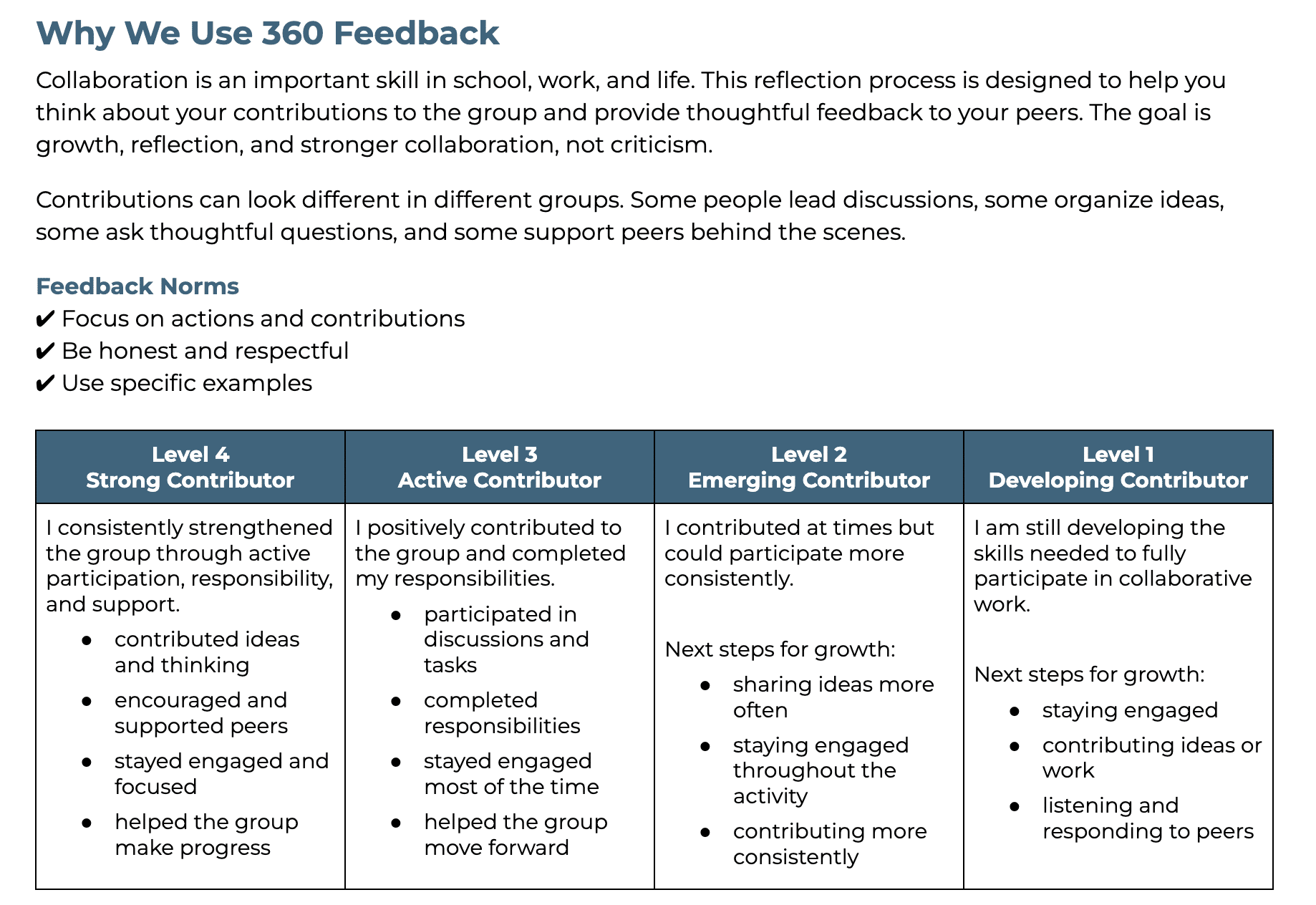
Before students can reflect on collaboration, they need clarity about what effective collaboration looks like. I recommend creating a simple, asset-based continuum that describes varying levels of participation and contribution. Instead of labeling students negatively, the continuum should frame collaboration as a developmental process with room for growth.
For example, a continuum might include:
- Developing Contributor
- Emerging Contributor
- Active Contributor
- Strong Contributor
Each level should describe observable behaviors students can recognize in themselves and others.
A strong contributor might:
- Contribute ideas and thinking
- Encourage and support peers
- Stay engaged and focused
- Help the group make progress
An emerging contributor might be:
- Beginning to contribute ideas in collaborative settings
- Building confidence participating in group discussions
- Developing active listening and discussion habits
- Starting to share thinking and perspectives with peers
The language matters. Students are far more likely to engage honestly in reflection when the process feels supportive and growth-oriented rather than negative and punitive.
Step 2: Introduce Feedback Norms
Before students begin providing peer feedback, establish clear expectations around how feedback should be shared. I encourage teachers to emphasize actions and contributions, honesty and respect, and specific examples to support feedback.
Students need support learning how to give meaningful feedback. It may even be helpful to provide exemplars of strong peer feedback for students to read, analyze, and discuss. That way, they can understand what makes feedback kind, specific, and actionable. In addition, teachers can use a fishbowl strategy to allow students to practice giving and receiving feedback, so the class can workshop the examples together, identifying what is done well, needs improvement, or would benefit from another approach. We cannot expect students to magically know what high-quality feedback looks like. We have to explicitly teach this skill. The goal is to create a classroom culture where feedback becomes a normal and productive part of learning.
Step 3: Pause for Reflection After Collaborative Work
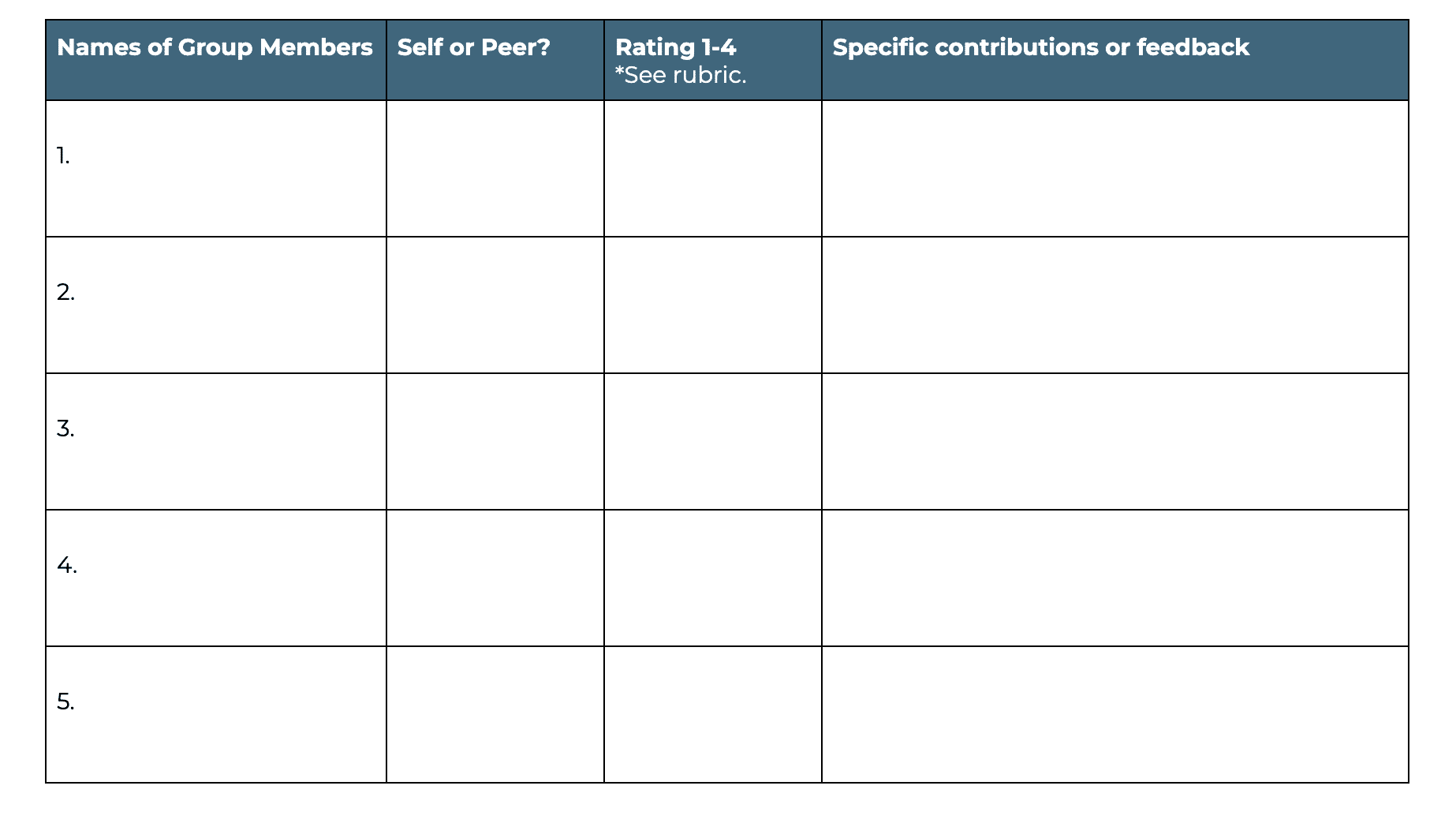
At the end of a collaborative learning experience, ask students to complete a 360 feedback protocol. First, they complete a self-assessment of their participation and contributions. Then they provide a peer-assessment score for each group member. They use an asset-based continuum or rubric to guide their scores and provide specific examples to support both their self-assessment and peer-assessment scores.
This process encourages students to think metacognitively about how they participated in the learning experience. Instead of simply asking whether they completed the task, students reflect on questions like:
- Did I contribute ideas?
- Did I stay engaged?
- Did I listen to others?
- Did I help move the group forward?
- Did I create space for others to participate?
These moments of reflection matter because students often overestimate or underestimate their contributions without opportunities to pause and think critically about their role in the group dynamic.
Step 4: Use the Feedback as Informal Formative Data
The teacher reviews the reflections, not to create another gradebook category, but to identify patterns and determine where students may need additional support or coaching. This is where the protocol becomes incredibly valuable. If one student consistently rates themselves low or peers repeatedly note their limited participation, that gives the teacher actionable information they can use to:
- Conference with the student
- Identify barriers
- Clarify expectations
- Provide supports, scaffolding, or coaching
Sometimes students struggle because they lack confidence. Some students need clearer structures or roles. Others need support learning how to enter conversations or sustain engagement in collaborative settings. They may benefit from sentence stems or models.
The 360 feedback protocol helps teachers identify those needs early and respond intentionally. It also broadens students’ understanding of what meaningful contributions look and sound like in practice. Not every student contributes by leading discussions. Some students organize ideas, ask thoughtful questions, clarify confusion, mediate disagreements, or support peers quietly behind the scenes. Structured reflection helps students recognize and value those contributions as well.
Below is a template I created for teachers who want to try this feedback protocol with their students!
WHAT We Are Ultimately Trying to Cultivate
The goal of a 360 feedback protocol extends far beyond accountability. At its core, this process is about helping students develop the skills necessary to function effectively in collaborative, student-led learning environments. We want students to understand that their participation matters, their engagement affects others, collaboration requires responsibility, and feedback is a natural and valuable part of growth.
We also need to move away from the idea that every collaborative learning experience must be treated as another graded assignment simply to ensure participation. Accountability does not always require points. Often, accountability grows from transparent expectations, peer reflection, self-assessment, and consistent opportunities for students to think critically about their role in shared work. A 360 feedback protocol shifts some of that responsibility back onto students by encouraging them to monitor their own participation, reflect honestly on areas for growth, and recognize the impact they have on the larger group dynamic.
Over time, this process can help students become more self-directed and self-regulated, which is ultimately the larger goal. If we want classrooms where students can engage meaningfully in reciprocal teaching, inquiry, collaborative problem-solving, and other student-led learning experiences, then we need students who know how to contribute, communicate, reflect, listen, support peers, and take responsibility for shared work. Those skills develop through repeated practice paired with feedback and reflection over time. A 360 feedback protocol provides teachers with a manageable structure for cultivating those skills while increasing accountability and preserving the collaborative, student-centered learning experiences we want for students.
No responses yet