
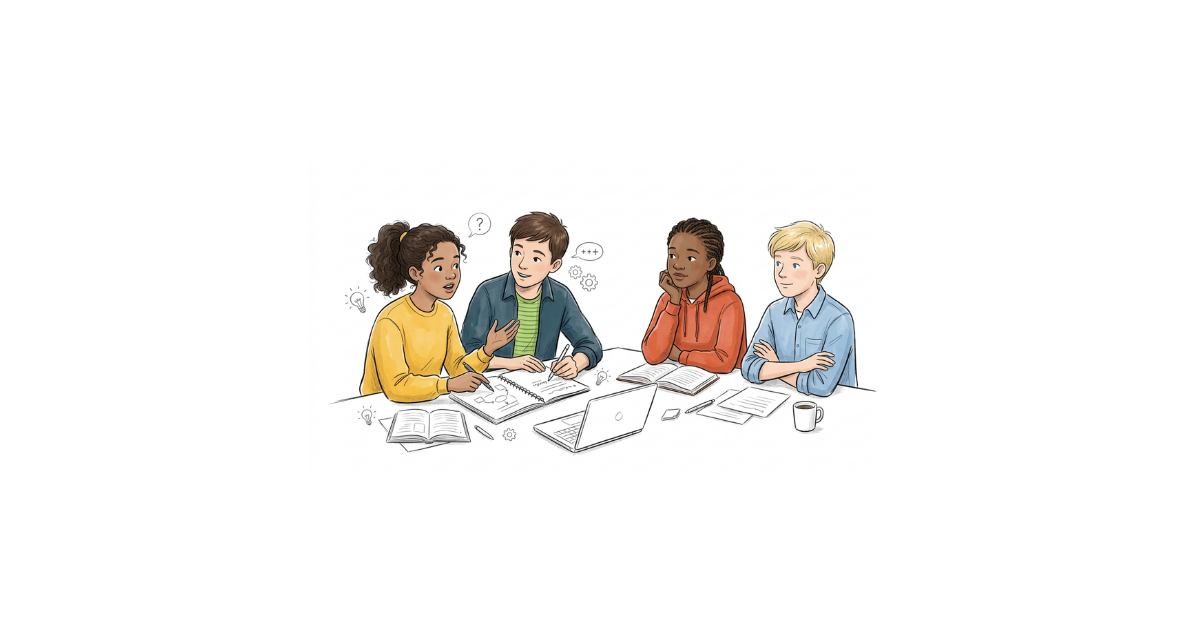
Conversations about screen time are surfacing real fears among teachers, families, and communities about the role of technology in education. The concerns about distraction, displacement, isolation, and the impact on learning are all legitimate.
Teachers struggle with students who are distracted by the technology in front of them. Students use devices to play games or access websites that entertain but are not connected to the learning happening. Families worry about the increasing amount of time their children spend staring at screens and the loss of human interaction. School leaders are questioning whether the significant investments in devices, Wi-Fi infrastructure, and online tools have translated into better learning outcomes.
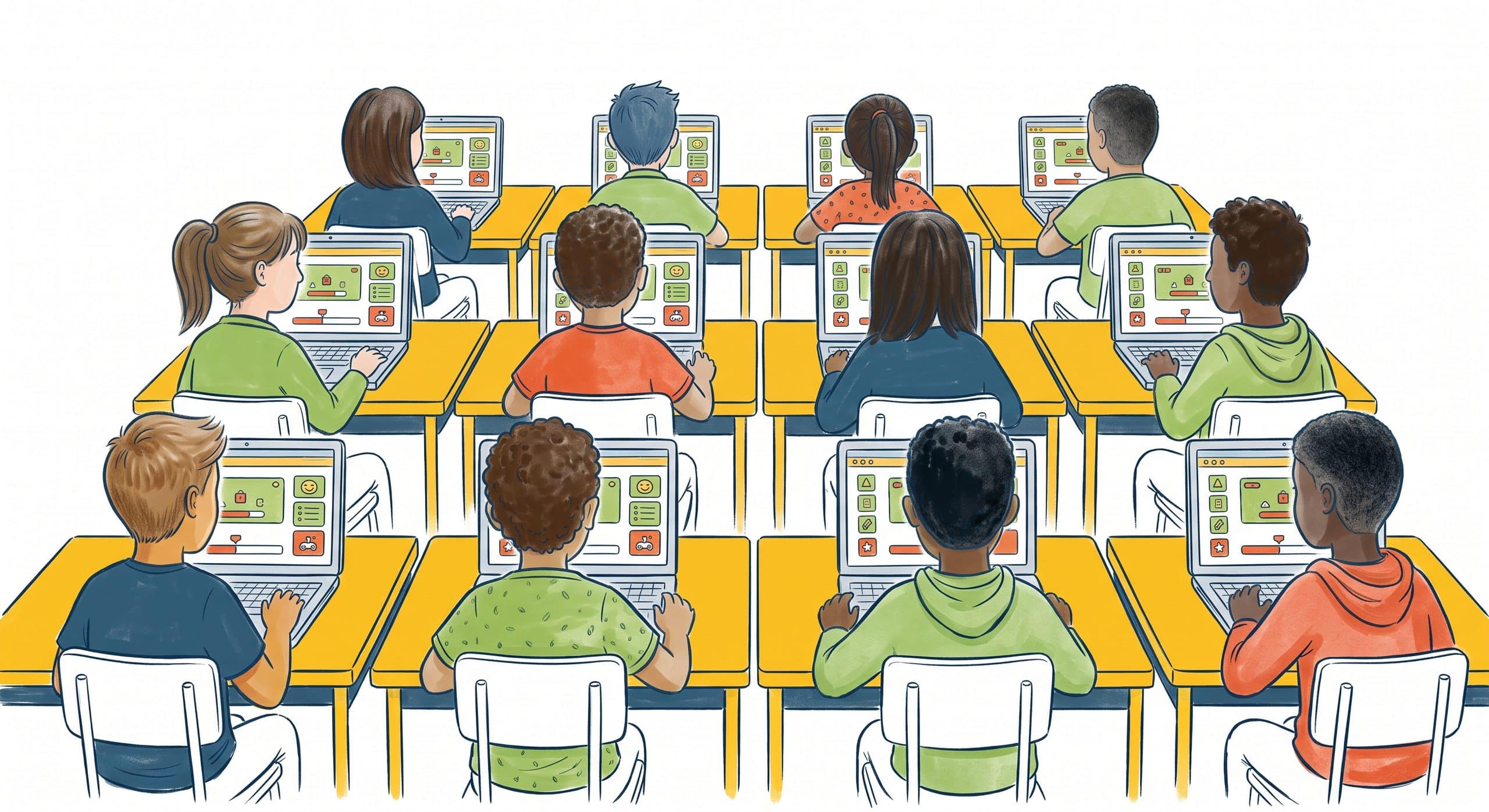
As an educator and parent, I understand these fears and concerns. What troubles me about the screen time debate is the idea that this complex equation can be solved by assigning a specific number to the time students should spend in front of screens. Ultimately, what students are doing in front of those screens is what matters.
Instead of asking, “Are students getting too much screen time?” we should be asking, “What are students doing with their screen time?” I don’t think the problem is screen time. I think the problem lies in how we use those screens in classrooms.
I’ve been an advocate for strategic use of technology for the better part of two decades. I experienced its power and potential to shift classrooms from teacher-centered to learner-centered spaces. As a new teacher, I began my career feeling I had to be the fountain of knowledge with a ready answer to every question. It was daunting and unrewarding, but it made sense. Before students had easy access to devices and the internet, teachers were the primary source of information in a classroom. Students had few places to turn for answers to their questions or information about a topic.
Technology changed that. As devices and the internet became readily available, students gained access to limitless amounts of information in a variety of forms. I hoped this access would free teachers from spending so much time at the front of the room transferring information. We could instead design learning experiences that allowed students to access information in formats and at a pace that worked for them. We could leverage accessibility features and the flexibility of online tools to remove barriers to acquiring information and making meaning.
I was excited about the potential to position students as active agents with access to resources and tools that allowed them to explore, create, communicate, and collaborate in new ways. Unfortunately, in many schools, the investment in technology was not matched by an equal investment in professional learning. Teachers needed training and support to weave that technology into learning experiences in a meaningful way.
Simply adding technology to lessons that remained whole-group and teacher-led did not transform anything. Instead, it relegated technology to a superficial substitute for tasks students could easily complete offline. Technology may have improved workflows for teachers, making it easier to distribute and collect assignments. Yet, the experience of teaching and learning was fundamentally unchanged. If we want technology to improve learning, teachers need concrete models and instructional strategies that use it effectively. That is how we deliver on its promise to create more dynamic, flexible, and personalized experiences for all students.
In too many schools, technology is being used as a pacifier, not an amplifier. It keeps kids quiet, but it does not give them more agency.
Purposeful design requires educators to examine what technology is adding to the learning experience, what it is replacing or displacing, and what it makes possible. These questions can guide more thoughtful decisions about when and how to use technology.
I’d love to see these three large shifts in how technology is used in classrooms:
- A shift from consumption to creation
- A shift from isolation to connection
- A shift from standardization to personalization
I’ll be exploring these shifts as the opening keynote speaker at Everway Unlocked, a free online event on October 6. I’ll share practical strategies educators can use to design with technology in ways that support student engagement, creativity, collaboration, and agency. Register for Everway Unlocked and join the conversation.
This is not to suggest that students will never consume information, work independently, or engage in standardized tasks. Each has a place in learning, but I want us to think bigger about what technology can make possible. The goal is to leverage technology to give students more opportunities to create, connect, and access personalized learning experiences.
From Consumption to Creation
What are students doing with technology?
When we use technology to help students access information, the experience generally positions them to consume. They may read a digital text, watch an instructional video, listen to a podcast, or interact with online media. Asking students to engage with information online can remove barriers by giving them more control over the experience.
A teacher could provide a “would you rather” option, allowing students to read an article or listen to a podcast explainer. This positions students to decide which format is likely to work best for them. When students read an article online, they may be able to listen to an audio recording, enlarge the text, or access the text at a Lexile level that is a better fit for their reading ability. All of these are advantages of using technology to connect students with information. However, that isn’t where our design work should stop.
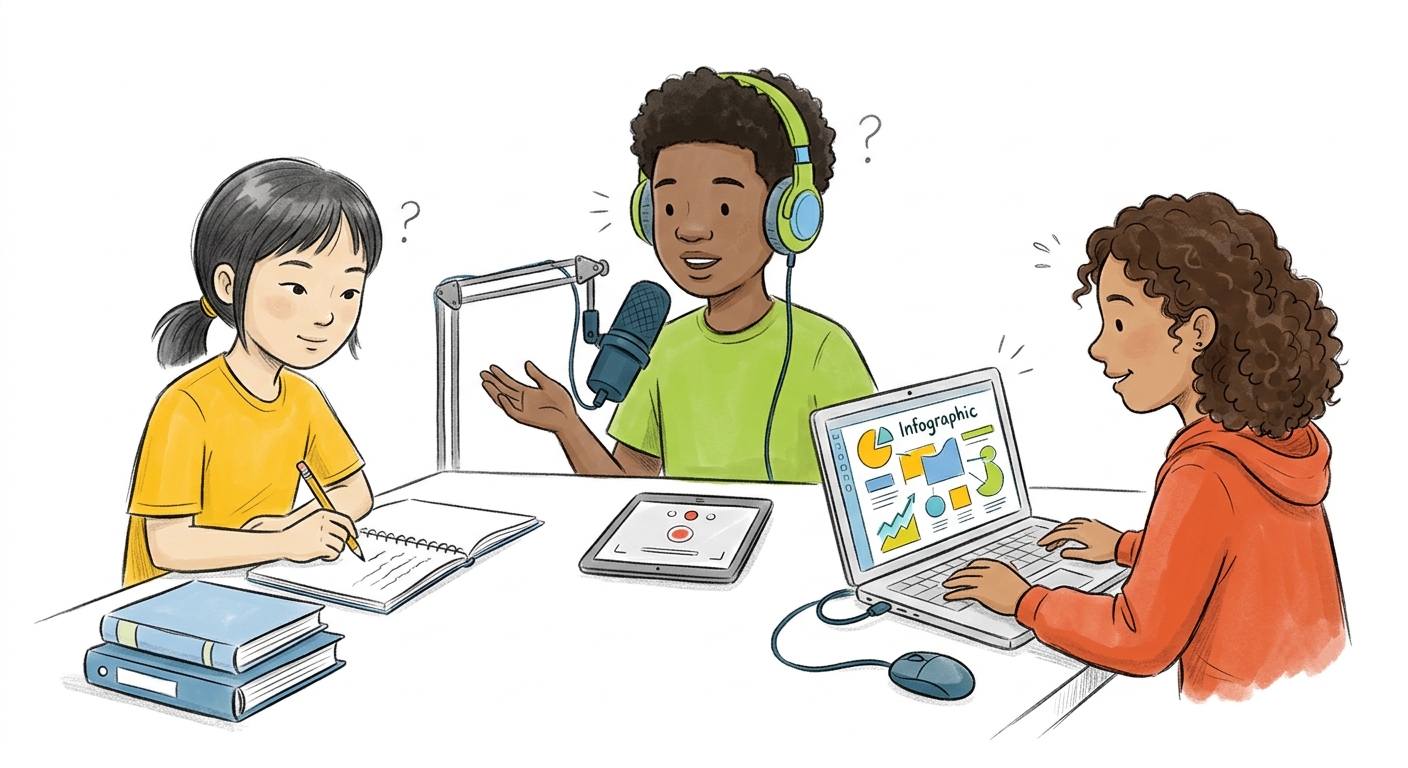
In addition to consuming new information, students can use technology to create digital artifacts. This allows them to communicate their learning in ways that appeal to their interests and their strengths. Instead of requiring every student to write a response by hand, a teacher can invite students to design an infographic, record an original podcast, or produce a video. The goal is not simply to offer a menu of digital products. Each option should provide students with a meaningful way to demonstrate progress toward the same learning goal. When the options are aligned to that goal, digital tools allow students to make, design, and communicate their learning in ways that were not possible before.
From Isolation to Connection
Who are students learning with?
When we ask students to complete independent digital tasks, move through a self-paced learning experience, practice skills with adaptive software, or receive AI-generated feedback, they are learning alone. At times, this makes sense, especially if technology gives students more control over their pace or responds to their specific needs by adjusting the task to provide an appropriate level of challenge.
But learning is also a social endeavor. Students need opportunities to learn with and from one another. In a world where an increasing amount of communication takes place online through screens, designing learning experiences that encourage students to practice critical face-to-face communication skills is essential. Students need opportunities to engage in conversation and collaborate around shared tasks. The screen can be a catalyst for that connection. When I work with teachers on student-led strategies, I emphasize the role devices can play in fostering these moments of connection. Teachers who want to use online articles, videos, or podcasts can use a strategy like reciprocal teaching to position small groups of students to make meaning together. The group can read, watch, or listen to a small section of the media and then pause to discuss it through their assigned comprehension lenses. One student summarizes the key points, another makes predictions, one asks questions, and another identifies moments of confusion that need clarification.
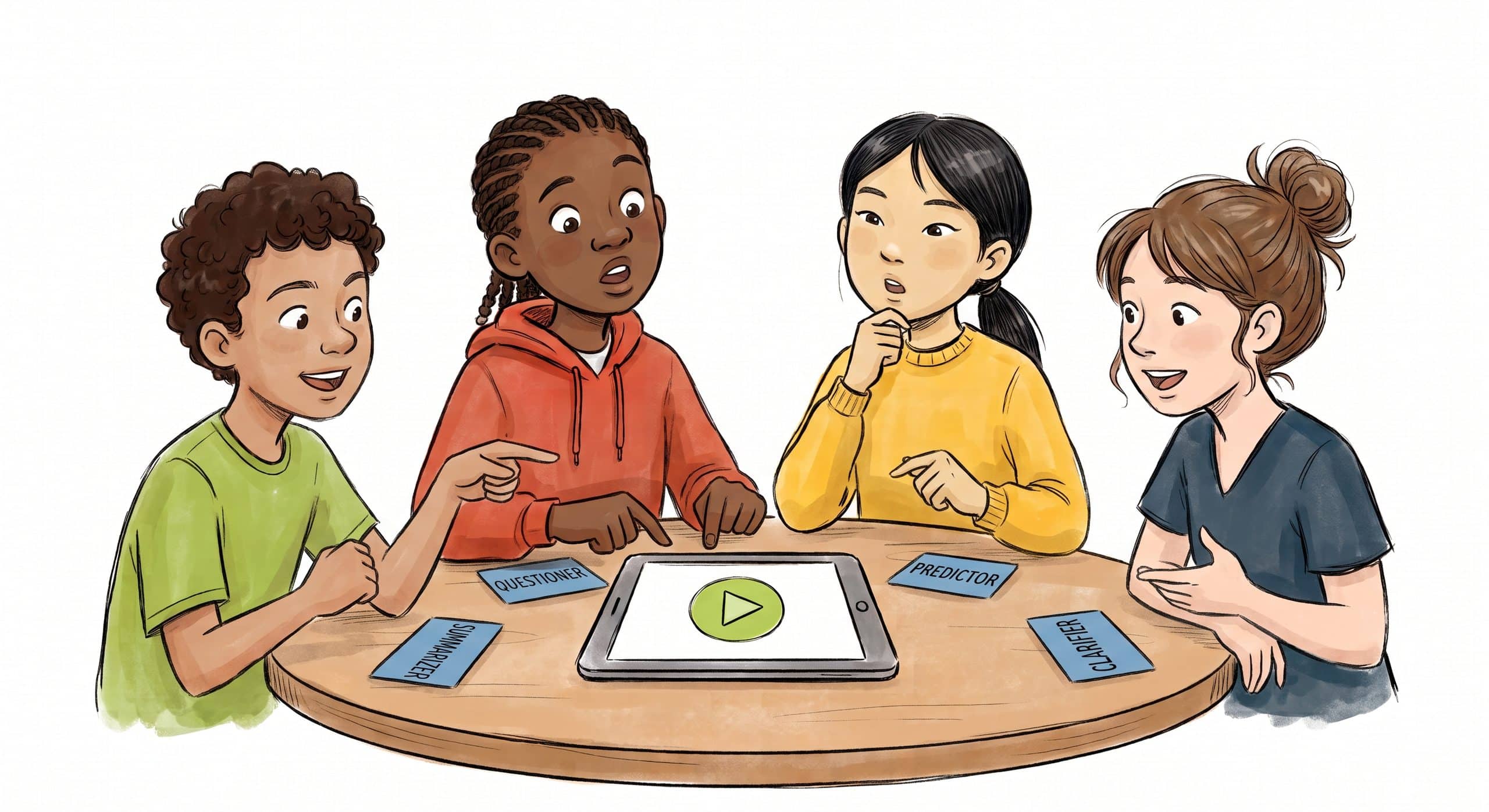
The group works together to unpack the information and construct meaning. A video lesson that might have been an isolating experience becomes a shared learning experience that connects students. Reciprocal teaching is one of many strategies that can help teachers rethink how they design online learning. Schools should be helping teachers develop their instructional tool belts so they can design learning experiences that drive critical thinking, communication, and collaboration.
From Standardization to Personalization
How responsive is the experience to the individual learners?
When technology is used to deliver the same digital tasks, move every student through the same sequence of online activities, provide access to the exact same resources and supports, or require the same product, we need to pause and ask whether that uniformity is intentional and instructionally valuable. Is the technology improving the learning experience, or is it simply making an existing workflow more efficient? Efficiency has value. A common resource, shared sequence, or consistent product may also serve an instructional purpose.
The problem arises when standardization becomes the default, despite the variability in students’ skills, needs, language proficiencies, interests, and prior knowledge. A more efficient workflow does not automatically result in deeper or more equitable learning. The real potential of technology lies in its ability to remove barriers, create flexible pathways, and give students meaningful opportunities to make decisions about their learning.
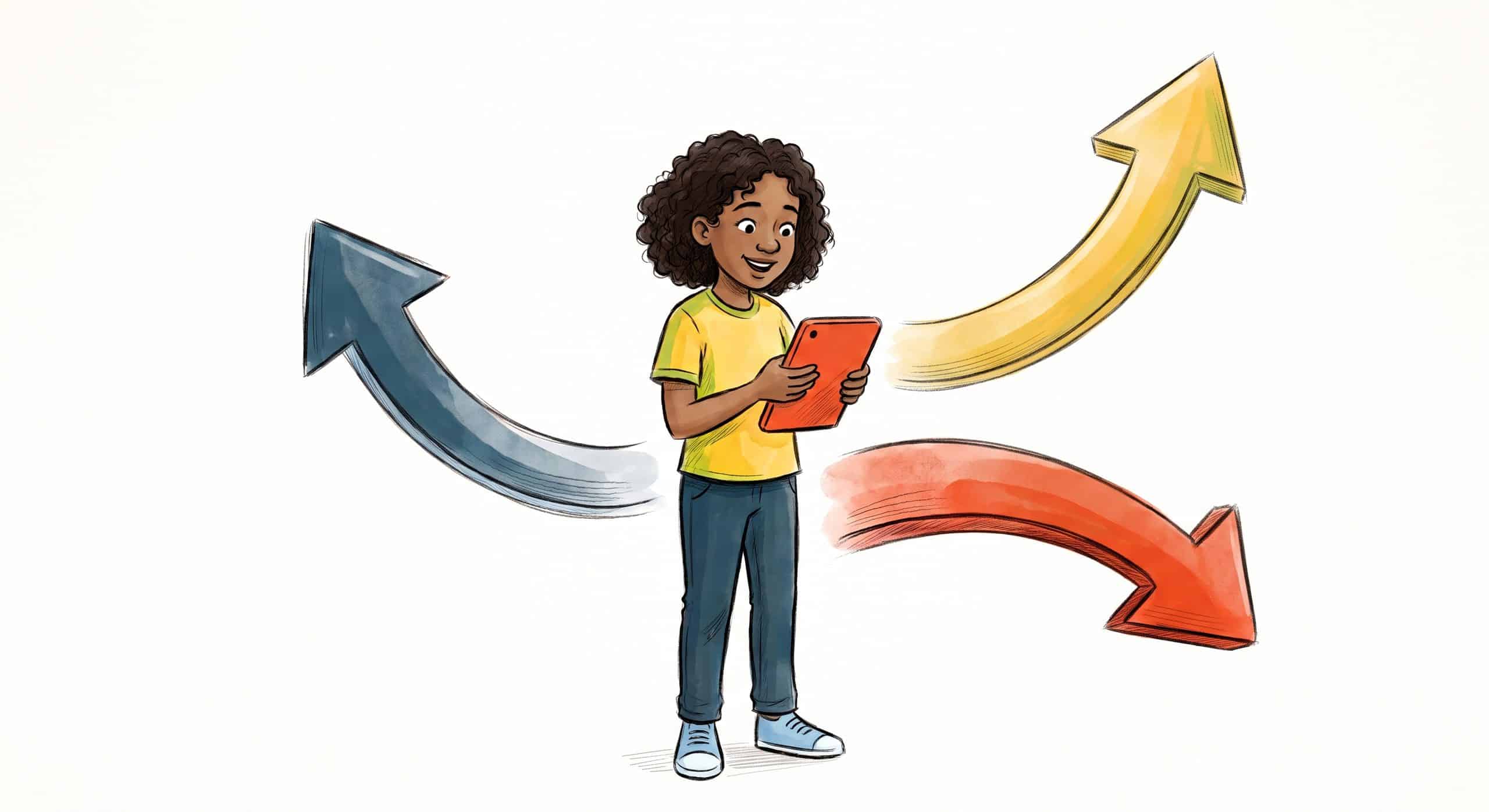
Instead of asking every student to acquire information, make meaning, and apply new learning in exactly the same way, personalization invites learners to make key decisions about their experience. They might choose from resources presented in different formats, access targeted supports, adjust their pace, or select how they demonstrate their learning.
Investing in Design, Not Just Devices
Ultimately, the goal of technology should not be to perpetuate a network television approach to teaching and learning where everyone is in the same place, receiving the same thing at the same pace. Students are growing up in a world of streaming where they are accustomed to having choices about what they access, when they access it, and how they engage with it. Yet many classrooms still operate like network television, with the teacher controlling the programming and the pace for everyone.
This does not mean students should control every aspect of their learning experience or that every lesson needs multiple pathways. It means that teachers should recognize learner variability and make intentional decisions about where flexibility, choice, and targeted support will improve the experience.
We have invested heavily in educational technology. Now we need to make an equal investment in the instructional design and professional learning. Teachers need time, support, and concrete strategies to move beyond simply adopting technology and begin using it with greater purpose and intentionality. Technology is most valuable when it expands access, fosters agency, and builds community. It should create capacity for human connection, not compete with it.
The question is not simply how much time students spend on screens. The more important question is: What is our design allowing them to do with that time?
Join Me at Everway Unlocked!
I’ll be exploring these ideas in greater depth as the opening keynote speaker at Everway Unlocked on October 6, 2026. This free online event will bring educators together to explore purposeful uses of technology that support student engagement, collaboration, creativity, and access. Get your free ticket and join me at Everway Unlocked.

No responses yet